Vietnam: A Journey Through History and Natural Beauty
Vietnam stretches along Southeast Asia's eastern coast, offering travelers an incredible journey from north to south. This nation of resilient spirit and warm hospitality combines French colonial elegance, ancient Asian traditions, and dynamic contemporary culture. Whether exploring Hanoi's historic streets, cruising Halong Bay's emerald waters, or experiencing Ho Chi Minh City's energy, Vietnam captivates at every turn.
Hanoi: Vietnam's Historic Heart
Vietnam's capital city blends 1,000 years of history with modern aspirations. The Old Quarter's 36 streets still reflect their traditional guild origins—Silk Street, Silver Street, Paper Street—each maintaining distinctive character. French colonial architecture graces boulevards lined with sidewalk cafes serving excellent Vietnamese coffee.
Don't miss the Temple of Literature, Vietnam's first university dating to 1070. Visit Ho Chi Minh's Mausoleum and the surrounding complex. Watch water puppetry, a uniquely northern Vietnamese art form. Explore museums documenting Vietnam's complex history. Sample pho at morning markets where locals have gathered for generations.
Halong Bay and Northern Landscapes
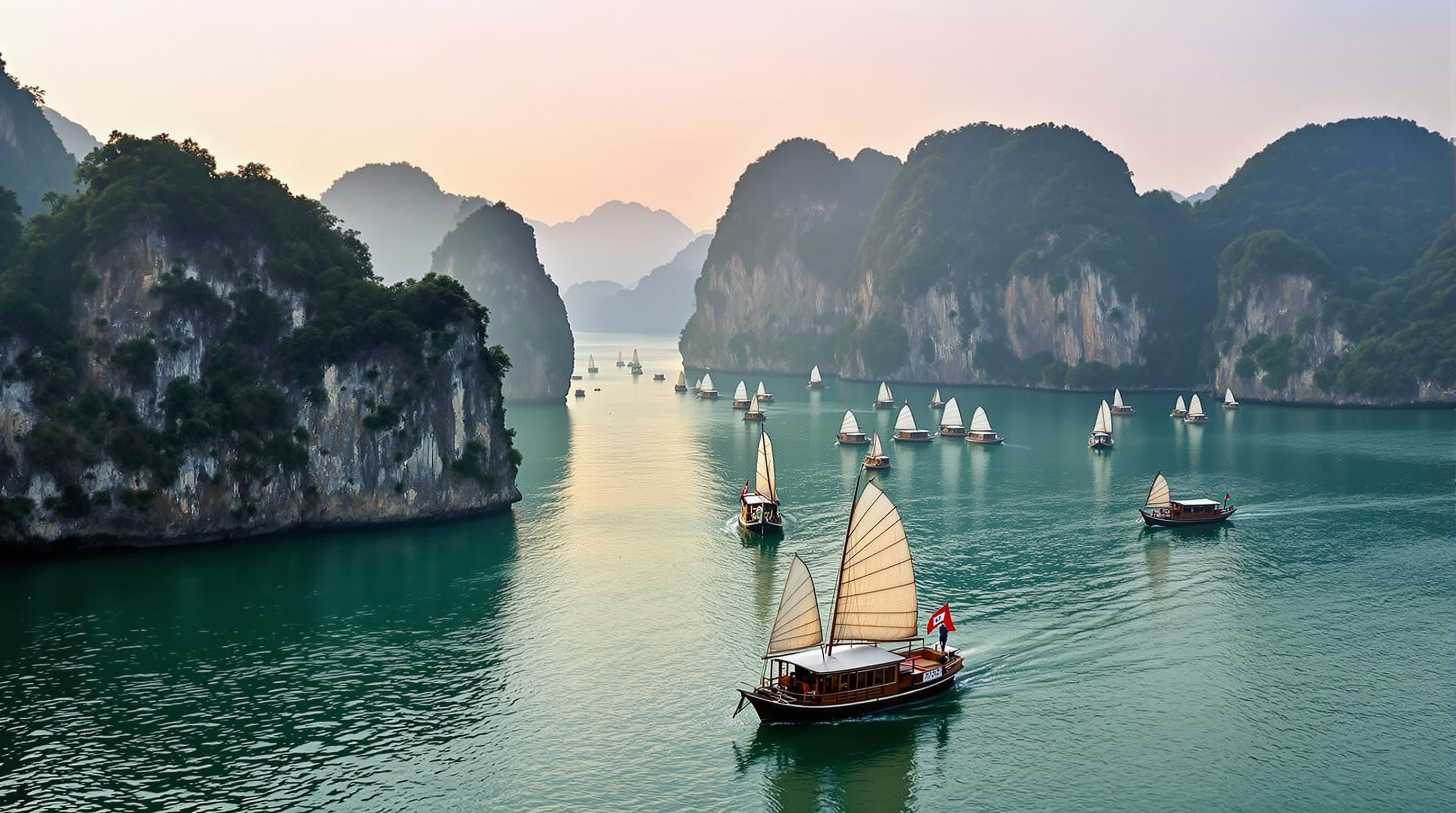
Halong Bay, a UNESCO World Heritage site, presents one of the world's most spectacular seascapes. Nearly 2,000 limestone islands and islets rise dramatically from emerald waters, creating an otherworldly landscape best explored by traditional junk boat. Cruise among the formations, visit caves, kayak in hidden lagoons, and watch sunset paint the bay in golden light.
Beyond Halong, northern Vietnam offers Sapa's terraced rice fields and ethnic minority villages, Ninh Binh's river valleys called "Halong Bay on land," and Cat Ba Island's national park. The region's mountainous terrain and cooler climate create distinct experiences from the tropical south.
Central Vietnam: Heritage and Beaches
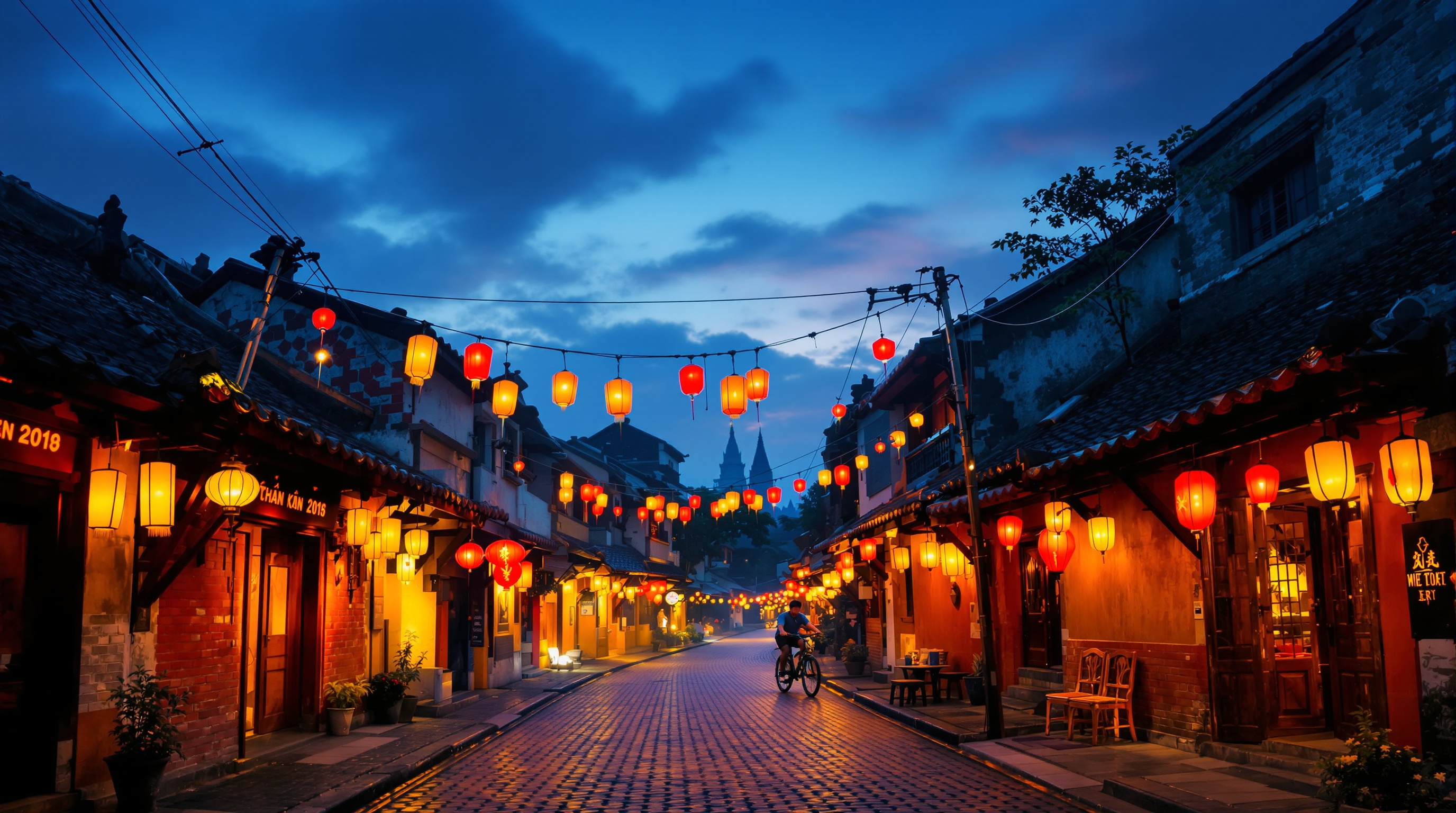
Central Vietnam preserves remarkable historical sites. Hue served as Vietnam's imperial capital, and the Forbidden Purple City recalls Chinese palace architecture. Hoi An's UNESCO-listed ancient town glows with lanterns each evening, its preserved merchant houses and Japanese covered bridge transporting visitors to earlier centuries.
Da Nang offers urban amenities and beautiful beaches. The nearby Marble Mountains combine natural caves with Buddhist sanctuaries. My Son's Cham ruins reveal pre-Vietnamese civilizations. Central Vietnam also boasts some of the country's finest beaches and emerging resort areas.
Ho Chi Minh City: Southern Dynamism
Still widely called Saigon, Vietnam's largest city pulses with entrepreneurial energy. Millions of motorbikes navigate wide boulevards and narrow alleys in organized chaos. French colonial landmarks like Notre-Dame Cathedral and the Central Post Office sit amid modern skyscrapers and shopping centers.
Visit the War Remnants Museum and Cu Chi Tunnels for perspectives on the Vietnam War. Explore Ben Thanh Market's sensory overload of food, textiles, and handicrafts. Discover the city's growing cafe culture, rooftop bars, and restaurant scene blending Vietnamese traditions with international influences.
Mekong Delta: Vietnam's Rice Bowl
South of Saigon, the Mekong Delta spreads across nine river branches forming Vietnam's agricultural heartland. Floating markets bring farmers and traders together on waterways. Visit orchards growing dragon fruit, longan, and rambutan. Explore the delta by small boat, experiencing river life's rhythms unchanged for centuries.
Vietnamese Culture and Cuisine
Vietnamese culture reflects Chinese, French, and indigenous influences creating something entirely unique. Family remains central to Vietnamese life, and showing respect to elders is paramount. Buddhism, Taoism, and Confucianism blend in daily practice, while Catholicism remains significant from the French colonial period.
Vietnamese cuisine ranks among the world's healthiest and most flavorful. Fresh herbs, light preparations, and balanced flavors characterize dishes from pho and banh mi to cao lau and bun cha. Regional differences are pronounced—northern food tends milder, southern cuisine sweeter and more robust. According to UNESCO's Intangible Cultural Heritage list, Vietnamese cuisine traditions reflect centuries of cultural development.
Travel Practical Information
Vietnam extends over 1,000 miles north to south, making regional variations significant. The north experiences four seasons with cool winters. Central Vietnam faces a different monsoon pattern. The south remains warm year-round with wet and dry seasons. Understanding these patterns helps plan optimal timing for different regions.
Vietnam continues developing tourist infrastructure while maintaining authentic character. Cities offer international standard hotels. Countryside areas provide simpler but comfortable accommodations. Transportation options range from domestic flights to trains, buses, and private vehicles. Our guides navigate logistics while you focus on experiencing Vietnam's treasures.
Staying Connected and Healthy
Vietnam's rapid modernization extends to traveler amenities. Most hotels and cafes offer reliable Wi-Fi. International SIM cards are inexpensive and available at airports. Mobile payment apps work in major cities. Pharmacies stock common medications, though bringing prescriptions from home remains advisable. Travelers with dietary restrictions will find Vietnam increasingly accommodating, with many restaurants in tourist areas offering English menus and allergy-aware preparation.