China: Ancient Civilization Meets Modern Power
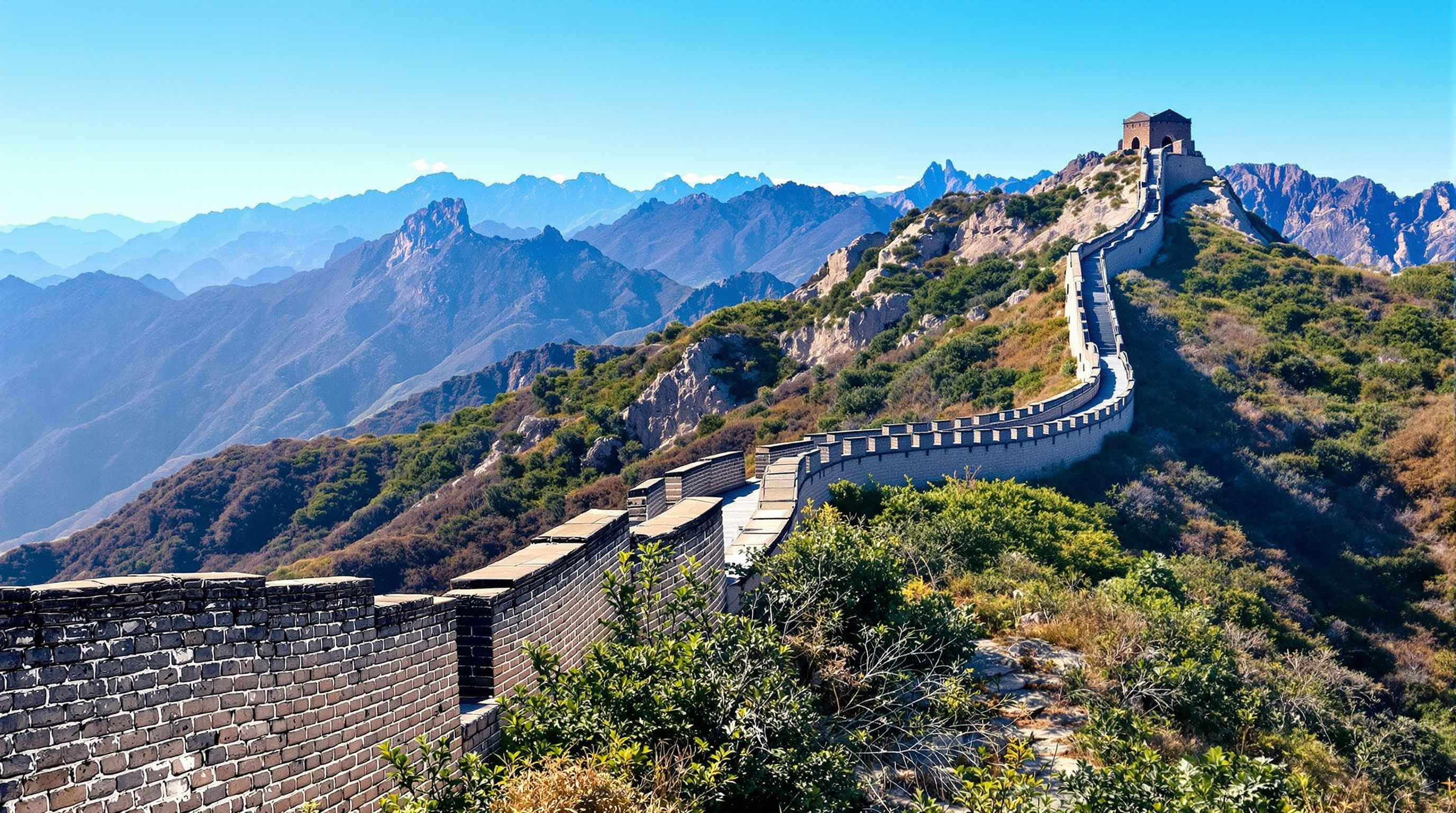
China presents travel on an epic scale. This vast nation combines 5,000 years of continuous civilization with breakneck modernization. The Great Wall snakes across northern mountains while Shanghai's skyscrapers pierce the clouds. Xi'an's Terracotta Army guards an emperor's tomb as bullet trains zip between megacities. From Beijing's Forbidden City to Guilin's karst landscapes and Chengdu's giant pandas, China offers experiences grand and intimate, ancient and cutting-edge.
Beijing: Imperial Capital
Beijing layers dynasties like an archaeological site. The Forbidden City sprawls across 180 acres, a maze of courtyards and halls where emperors ruled from 1420 to 1912. The Temple of Heaven's circular architecture reflects Chinese cosmology. The Summer Palace offers lakeside gardens where royalty escaped summer heat. Modern Beijing surrounds these monuments with ring roads, contemporary architecture, and 21 million residents.
The Great Wall stretches over 13,000 miles, though most visitors see sections within reach of Beijing. Mutianyu offers restored wall with fewer crowds than Badaling. Jinshanling to Simatai provides hiking on wild wall sections. However touristy, walking the Great Wall ranks among travel's iconic experiences—the view of stone ramparts following mountain ridges creates profound historical connection.
Xi'an and The Silk Road
Xi'an served as China's capital for 11 dynasties and the Silk Road's eastern terminus. The Terracotta Army, discovered in 1974, guards Emperor Qin's tomb with thousands of life-sized clay soldiers, each with unique features. The Ancient City Wall remains intact, encircling the old city and perfect for cycling. The Muslim Quarter buzzes with food stalls serving lamb skewers, hand-pulled noodles, and persimmon cakes.
Shanghai: China's Future
Shanghai embodies modern China's economic ambitions. The Bund waterfront preserves 1920s-30s architecture while across the Huangpu River, Pudong's skyscrapers—Shanghai Tower, Jin Mao Tower, Oriental Pearl TV Tower—create futuristic skylines. The French Concession offers tree-lined streets, boutiques, and cafes. Yu Garden presents classical Chinese landscape design amid the city's modernity.
Natural China: Guilin and Yangshuo
Guilin and Yangshuo showcase the karst landscapes depicted in countless Chinese paintings—conical limestone peaks rising from rice paddies and rivers. Li River cruises reveal this scenery at its most dramatic. Yangshuo offers cycling routes through countryside dotted with water buffalo and farmers. Rock climbing, bamboo rafting, and cave exploration provide active pursuits in stunning settings.
Chengdu and Giant Pandas
Chengdu, Sichuan's capital, combines spicy food culture with giant panda conservation. The Chengdu Research Base of Giant Panda Breeding allows close encounters with these endangered animals, especially active during morning feeding. The city's teahouses maintain relaxed social traditions. Sichuan opera features face-changing performances. The region's cuisine—mapo tofu, kung pao chicken, hot pot—earned Chengdu UNESCO City of Gastronomy status.
Chinese Culture and Etiquette
Chinese culture emphasizes harmony, respect for elders, and group cohesion over individualism. Guanxi (connections/relationships) and mianzi (face/reputation) remain important concepts. Public behavior tends reserved. Bargaining is expected in markets but not restaurants or retail stores.
Chinese cuisine varies dramatically by region. Sichuan brings heat and numbing Sichuan pepper. Cantonese cooking emphasizes fresh ingredients and subtle flavors. Northern food features wheat noodles and dumplings. Coastal regions showcase seafood. According to UNESCO's cultural heritage programs, Chinese culinary traditions and cultural practices span millennia of continuous development.
Modern Chinese Society
Contemporary China balances Communist Party control with capitalist economics. Rapid development lifted hundreds of millions from poverty while creating environmental challenges and wealth gaps. Cities race ahead while rural areas lag. Chinese society navigates tradition versus modernity, creating unique tensions and innovations.
Internet censorship blocks many Western websites and apps. VPNs provide workarounds but legality remains gray. English proficiency varies—major tourist areas have English signage and some English speakers, but learning basic Mandarin phrases helps significantly.
Travel Logistics
China's high-speed rail network connects major cities efficiently and comfortably. Domestic flights are plentiful and relatively inexpensive. Cities have extensive subway systems. Taxis are cheap but require Chinese addresses. International hotels meet global standards while local options provide authentic experiences at lower costs.
Tourist visas require advance planning. Most visitors need visas obtained before arrival, though some transit programs allow visa-free stays. Our guides handle complex logistics—language barriers, tickets, reservations—while sharing deep knowledge of Chinese history and culture.
When to Visit
China's size creates varied climate zones. Spring (April-May) and autumn (September-October) generally offer pleasant weather nationwide. Summer brings heat and rain. Winter in northern China is harsh while southern regions remain moderate. Golden Week holidays (early October, Lunar New Year) mean crowded sites and higher prices—best avoided.