Myanmar: The Golden Land Awakening
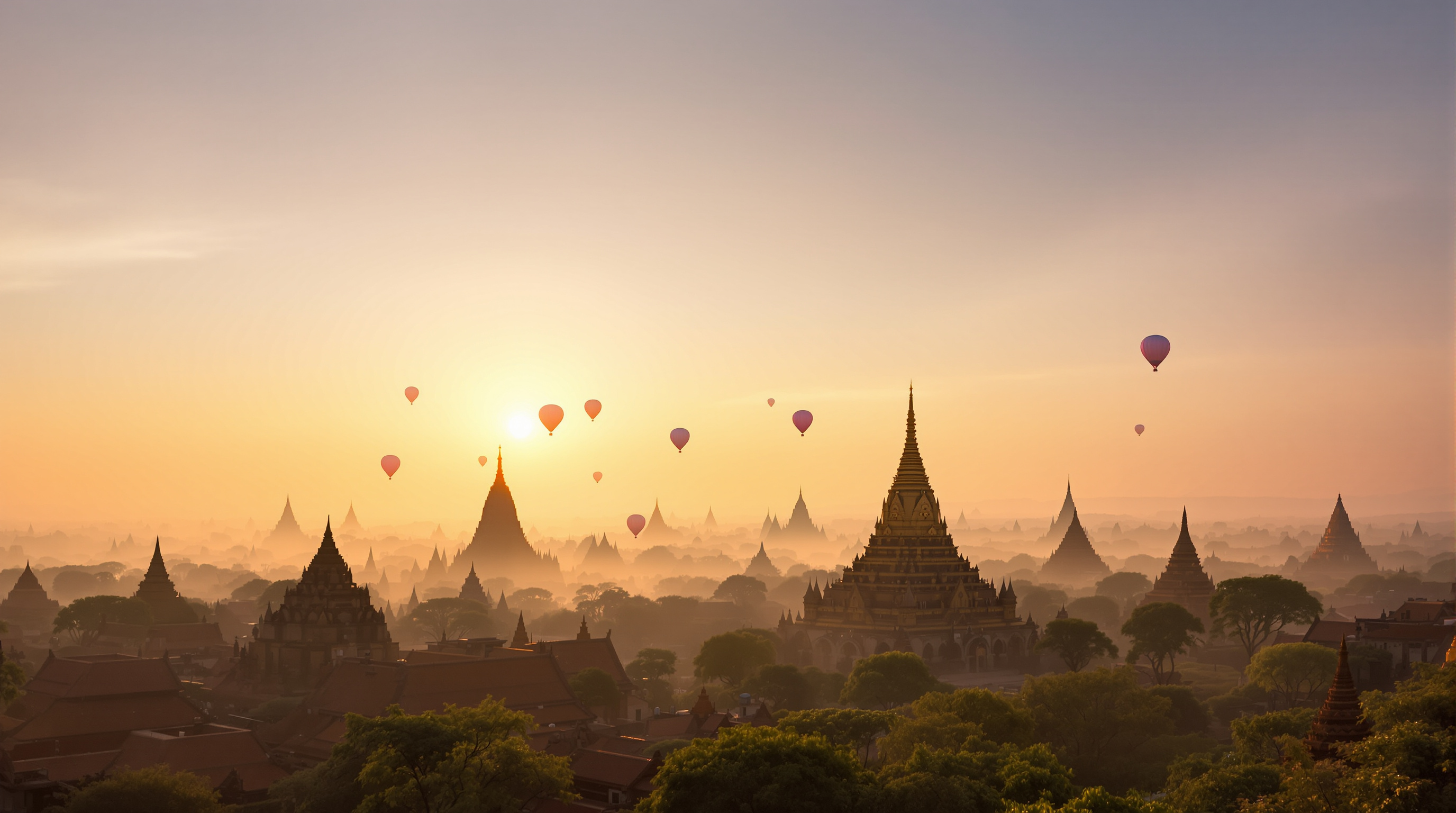
Myanmar, formerly known as Burma, remained isolated for decades before opening to tourism. This means travelers today encounter Southeast Asia as it existed before mass tourism—authentic villages, preserved traditions, and genuine warmth toward visitors. From Bagan's temple plains to Inle Lake's floating gardens and Yangon's golden Shwedagon Pagoda, Myanmar offers experiences increasingly rare in our connected world.
Yangon: Colonial Charm and Golden Devotion
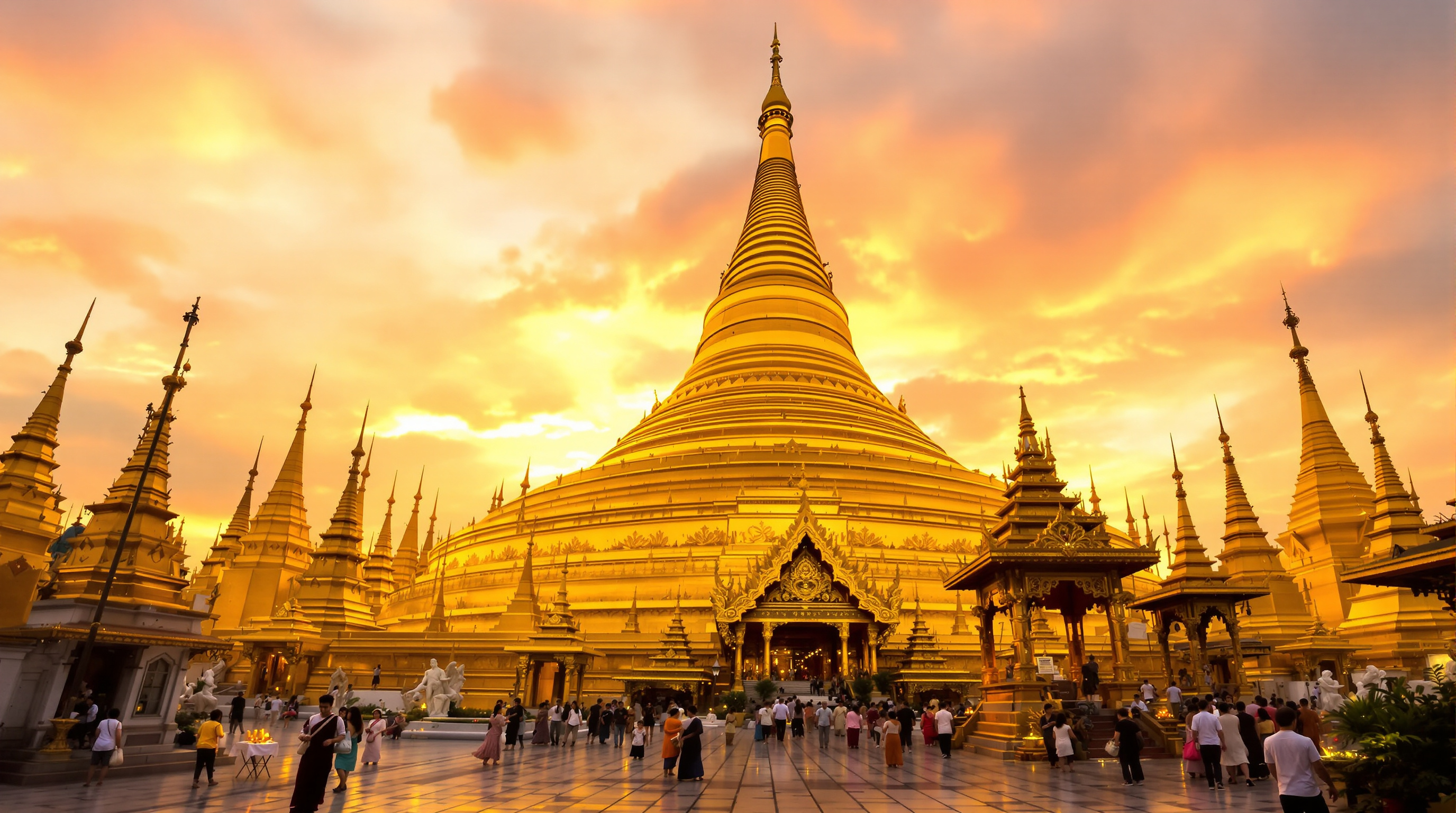
Myanmar's former capital retains time-capsule qualities with colonial architecture, tree-lined streets, and circular trains traversing suburban neighborhoods. The magnificent Shwedagon Pagoda dominates the city—a 326-foot golden stupa covered in gold plates and diamonds, believed to contain Buddha relics. Visit at sunset when the golden surface glows and local worshippers outnumber tourists.
Downtown Yangon preserves British colonial buildings in various states of preservation and decay. The Strand Hotel maintains old-world elegance. Markets overflow with thanaka (traditional cosmetic paste), longyi (wraparound skirts), and tropical produce. Teahouses serve sweet milky tea where locals discuss news and politics.
Bagan: Valley of Ten Thousand Temples
Bagan ranks among Asia's most spectacular archaeological sites. Over 2,000 temples and stupas dot the plains—remnants of the 11th-13th century when Bagan served as the Pagan Kingdom's capital. Watch sunrise from a temple terrace as hot air balloons float over the temple-studded landscape. Explore by e-bike, stopping at major monuments and discovering hidden shrines.
Each temple tells stories through murals and architecture. Ananda Temple showcases Mon-style architecture with four standing Buddhas. Dhammayangyi Temple impresses with massive brickwork. Shwesandaw Pagoda offers panoramic views. Local lacquerware artisans maintain centuries-old techniques using Bagan's traditional crafts.
Inle Lake: Floating Gardens and Leg Rowers
Inle Lake presents an entirely different Myanmar experience. Intha fishermen row standing up, wrapping one leg around the oar in distinctive style. Floating gardens grow tomatoes and flowers on decomposing vegetation. Stilted villages house entire communities over the water. Long-tail boats connect villages and transport visitors to see silk weaving, cigar rolling, and silversmiths.
Mandalay and The North
Myanmar's second city, Mandalay, preserves royal heritage and traditional arts. The palace reconstruction sits within massive city walls. Nearby Amarapura's U Bein Bridge, the world's longest teak bridge, attracts sunset photographers. Sagaing Hills host hundreds of monasteries. Mingun's unfinished pagoda and enormous bell make interesting excursions.
Myanmar Culture and Buddhism
Theravada Buddhism permeates Myanmar life more thoroughly than perhaps anywhere else. Young boys spend time as novice monks. Pagodas and monasteries anchor every community. Daily alms rounds see monks collecting food donations. Religious festivals bring entire communities together in celebration.
Myanmar's ethnic diversity often goes unrecognized. The Bamar majority coexists with Shan, Karen, Rakhine, Mon, and numerous other ethnic groups, each maintaining distinct languages and traditions. Hill tribe villages in Shan State offer trekking opportunities and cultural encounters.
Traditional arts survive in Myanmar better than neighboring countries. Puppet theater, classical dance, and musical performances continue ancient forms. According to UNESCO's cultural heritage programs, Myanmar's traditional practices represent living cultural continuity.
Practical Considerations
Myanmar's tourism infrastructure continues developing. International hotels operate in major cities while boutique properties offer characterful alternatives. Domestic flights connect main destinations while buses serve most routes. Credit cards see limited acceptance, and ATMs, though spreading, aren't universal. Our guides handle logistics and navigate the still-evolving systems.
Myanmar's political situation remains complex. Democratic reforms have faced setbacks. Responsible travelers inform themselves about current conditions and ethical considerations. Tourism can benefit local communities, but choosing operators carefully matters. We work with locally-owned businesses and support community-based tourism initiatives.
Best Time to Visit
November through February offers cool, dry weather ideal for temple exploration and outdoor activities. March through May brings intense heat. The monsoon runs June through October, with rainfall varying by region. Central Myanmar receives less rain than coastal areas. Shoulder months often combine decent weather with fewer crowds.