Cambodia: Kingdom of Wonder and Resilience
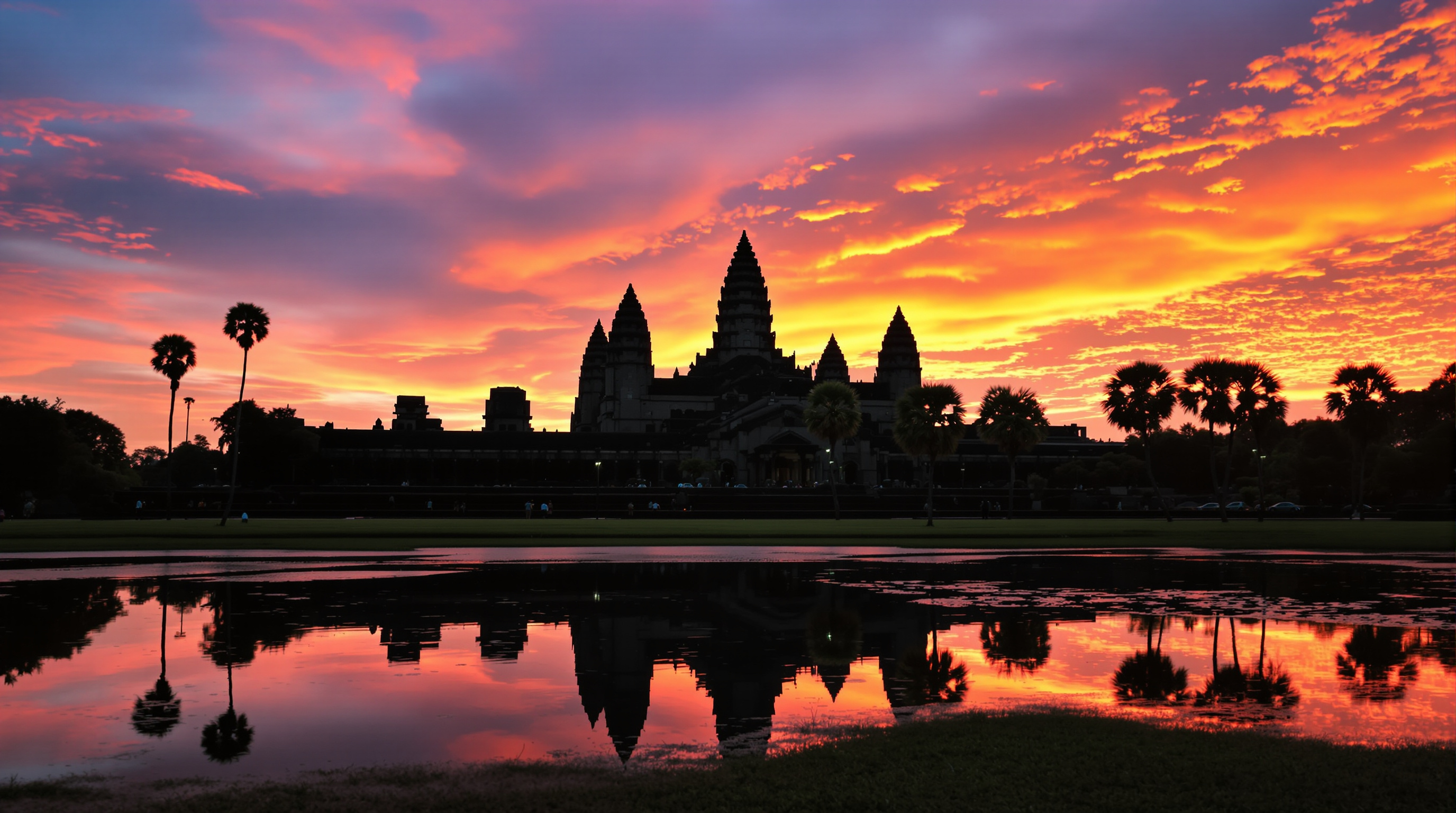
Cambodia holds a special place in Southeast Asian travel, offering some of the world's most spectacular archaeological sites alongside a culture rebuilding after tremendous hardship. The magnificent temples of Angkor represent human achievement at its finest, while contemporary Cambodia shows remarkable resilience and warmth. From Siem Reap's temple complexes to Phnom Penh's riverside capital and the southern beaches, Cambodia rewards travelers seeking authentic experiences.
Angkor Archaeological Park: Temples of Glory
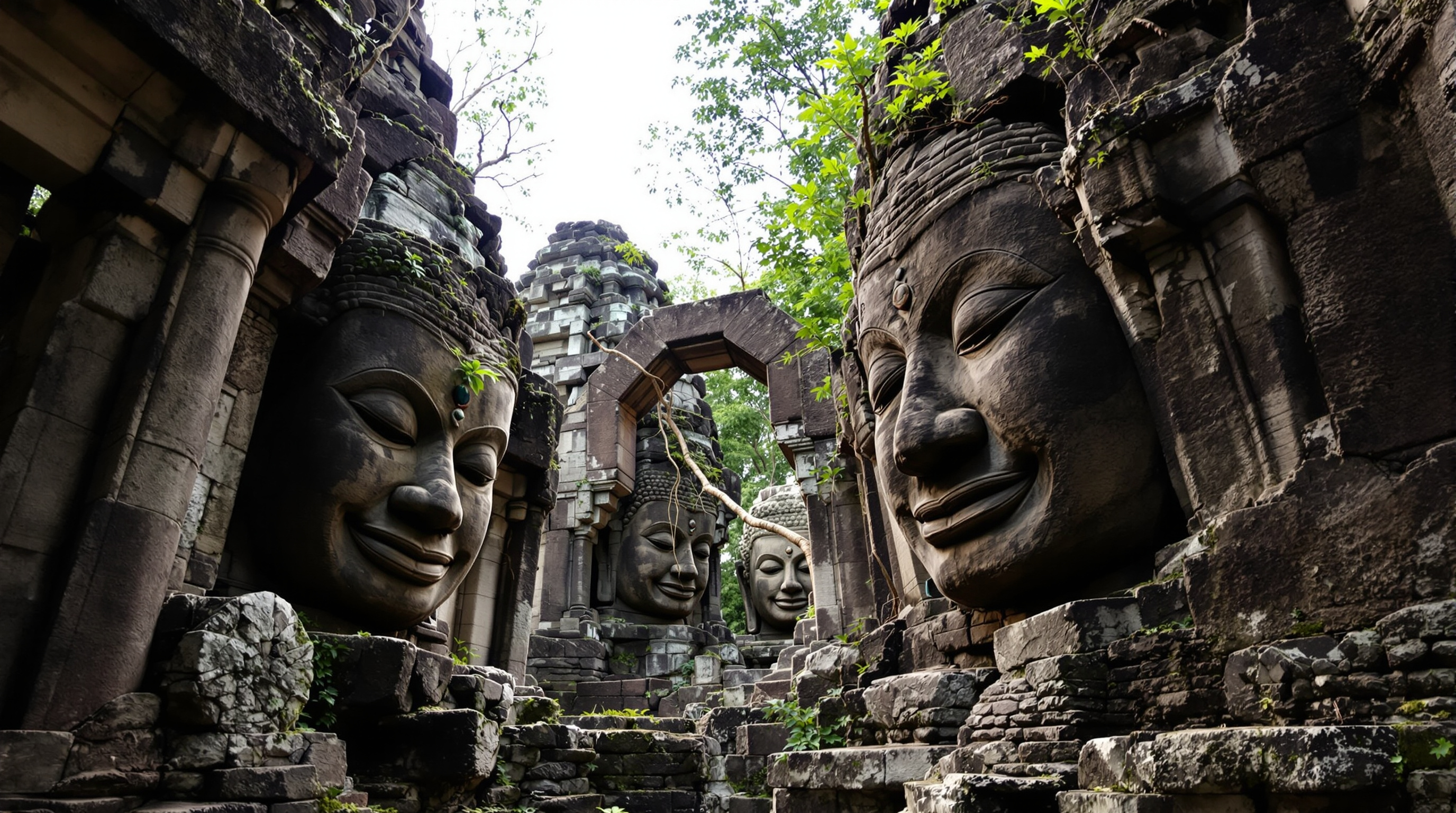
Angkor Wat stands as Cambodia's iconic symbol and the world's largest religious monument. Built in the 12th century, this Hindu-Buddhist temple complex showcases Khmer architecture and artistic achievement at its zenith. Watch sunrise illuminate the temple's distinctive towers, explore corridors adorned with intricate carvings, and contemplate the spiritual devotion that created such magnificence.
Yet Angkor Wat is merely one of hundreds of temple structures spread across the archaeological park. Bayon Temple's enigmatic stone faces gaze in all directions. Ta Prohm remains partially consumed by jungle, massive tree roots enveloping ancient stones in dramatic embrace. Banteay Srei displays the finest stone carving anywhere in the complex. Each temple reveals different aspects of Khmer civilization's Golden Age.
Siem Reap: Gateway to the Temples
Modern Siem Reap serves millions of visitors drawn to Angkor while maintaining distinctive Cambodian character. The Old Market and Pub Street areas offer shopping, dining, and nightlife. Cambodian circus performances blend acrobatics with storytelling about contemporary life. Cooking classes teach traditional Khmer recipes passed through generations.
Beyond temples, explore Tonle Sap Lake, Southeast Asia's largest freshwater lake and a UNESCO Biosphere Reserve. Visit floating villages where entire communities live on the water. Support Cambodian social enterprises creating employment for marginalized groups. Witness traditional arts like silk weaving and stone carving being revived.
Phnom Penh: Cambodia's Capital
Phnom Penh sits at the confluence of the Mekong and Tonle Sap rivers, a city rebuilding its cosmopolitan heritage after the Khmer Rouge years. The Royal Palace's golden spires and Silver Pagoda showcase royal grandeur and religious devotion. The National Museum houses the world's finest collection of Khmer art and sculpture.
Confronting Cambodia's tragic recent history proves difficult but important. The Tuol Sleng Genocide Museum and Choeung Ek Killing Fields bear witness to the Khmer Rouge atrocities. These sobering sites help visitors understand the remarkable resilience Cambodians have shown in rebuilding their nation.
Contemporary Phnom Penh also shows vibrancy and optimism. Riverside promenades bustle with activity. Local markets overflow with tropical fruits, textiles, and handicrafts. The emerging art scene reflects young Cambodians exploring their identity and future.
Beyond the Main Routes
Cambodia offers experiences beyond the primary tourist circuit. Southern beaches near Sihanoukville and the islands provide tropical relaxation. The northeastern provinces preserve minority cultures and pristine forests. The Cardamom Mountains attract eco-tourists and adventure seekers. Battambang combines French colonial charm with rural Cambodian life.
Khmer Culture and Heritage
Khmer culture extends back millennia, with the Angkorian period representing its apex but not its entirety. Traditional dance forms like Apsara dancing survived near-extinction to again grace temple courtyards and cultural performances. Classical music using instruments like the roneat (bamboo xylophone) and skor thom (barrel drums) maintains ancient traditions.
Buddhism permeates Cambodian life, with saffron-robed monks a common sight and wats (temples) serving as community centers. Spirit house shrines honor indigenous beliefs predating Buddhism. Respect for elders and hierarchical social structures remain important cultural values.
Khmer cuisine deserves more recognition than it receives. Fragrant curries, sour soups like samlor machu, grilled meats, and fresh spring rolls showcase distinct flavors. Amok, a coconut curry steamed in banana leaves, represents Cambodia's national dish. According to UNESCO, Cambodia's cultural practices reflect deep historical roots and contemporary vitality.
Responsible Travel in Cambodia
Cambodia remains a developing nation where tourism dollars make significant impact. Choosing locally-owned hotels, eating at family restaurants, and buying from artisan cooperatives directly supports Cambodian livelihoods. Many social enterprises employ landmine victims, trafficking survivors, and other marginalized groups.
Respectful interaction matters. Dress modestly when visiting temples. Ask permission before photographing people. Avoid contributing to begging by supporting legitimate charities instead. Understand that Cambodia's welcoming nature reflects cultural values, not servility.
Planning Your Cambodia Visit
Cambodia's compact size makes it easy to experience diverse regions in one trip. Most visitors allocate 3-4 days for the Angkor temples, though temple enthusiasts could spend much longer. Phnom Penh warrants 2-3 days. Beach areas suit extension stays for relaxation after temple trekking.
November through March offers the coolest, driest weather. April and May bring intense heat. The monsoon season runs June through October, though rains typically come in afternoon bursts rather than all-day affairs. The wet season actually enhances Angkor's beauty with lush vegetation and moat reflections.
Wellness and Self-Care While Traveling Cambodia
Temple exploration in Angkor's tropical heat demands physical preparation and self-awareness. Walking distances across the archaeological park often exceed expectations, and the combination of heat, humidity, and uneven terrain requires stamina. Hydration is essential—carry refillable water bottles and electrolyte supplements. Many Siem Reap hotels offer pools and spa services ideal for post-temple recovery. Traditional Khmer massage, while less well-known than Thai massage, provides excellent relief after long days of exploration.