Laos: Southeast Asia's Best-Kept Secret
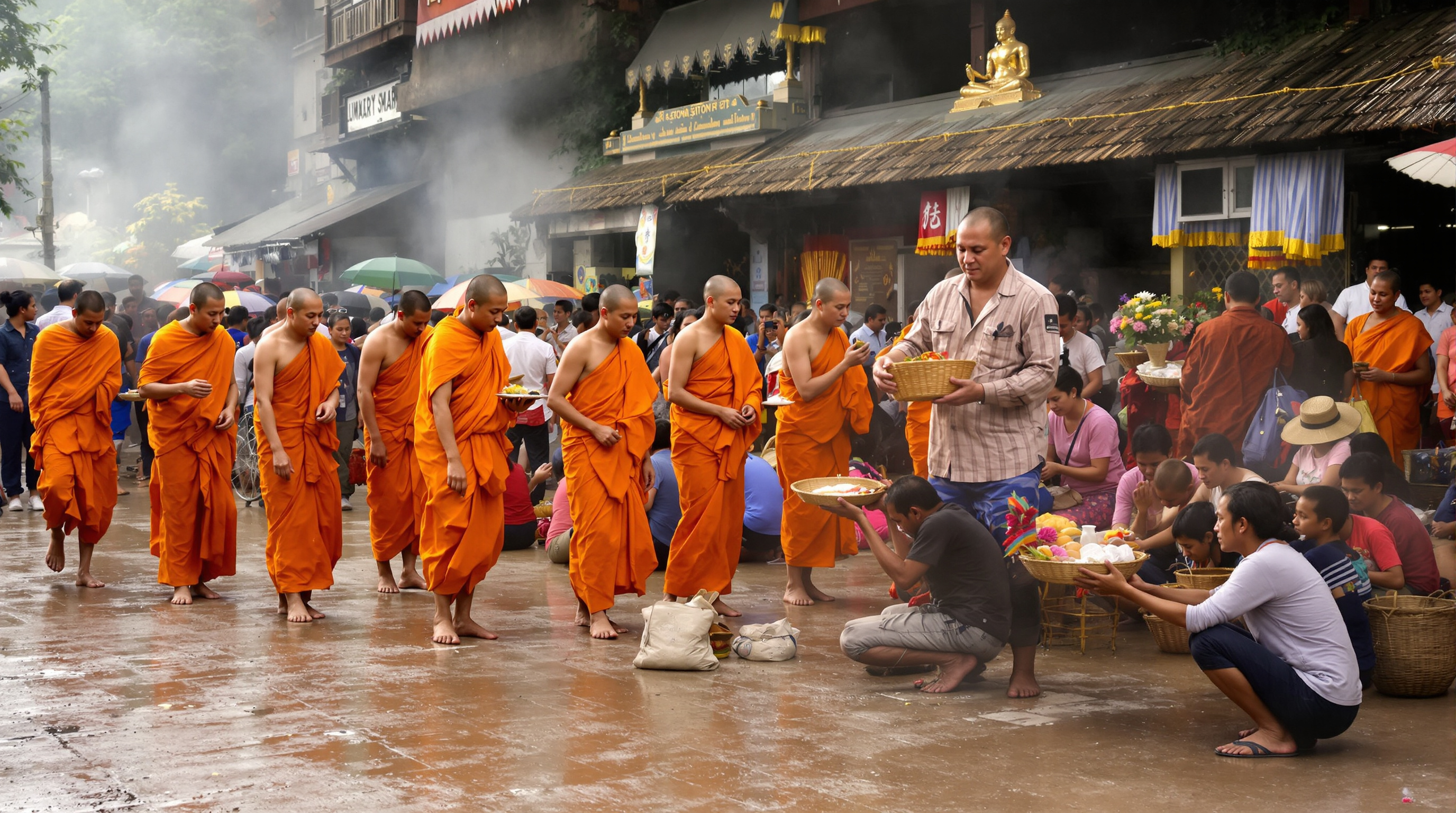
Laos moves at a different pace. This landlocked nation sandwiched between Thailand, Vietnam, Cambodia, China, and Myanmar escaped the intense tourism development affecting its neighbors. The result? One of Southeast Asia's most authentic, relaxing travel experiences. Whether watching monks collect alms in Luang Prabang, cruising the Mekong River, or exploring the Plain of Jars, Laos rewards travelers seeking tranquility and genuine cultural encounters.
Luang Prabang: UNESCO World Heritage Jewel
Luang Prabang sits at the confluence of the Mekong and Nam Khan rivers, a perfectly preserved blend of traditional Lao architecture and French colonial buildings. Over 30 Buddhist temples grace this small city, their golden roofs catching sunlight above saffron-clad monks. Wake early to witness the alms-giving ceremony as hundreds of monks silently collect offerings from kneeling locals—a daily ritual unchanged for centuries.
The Royal Palace Museum occupies the former monarch's residence, displaying royal artifacts and the sacred Phra Bang Buddha image giving the city its name. Climb Mount Phousi for sunset views over the city and rivers. Visit Wat Xieng Thong, Luang Prabang's most beautiful temple with its distinctive swooping roofline. Explore night markets selling handwoven textiles and local crafts.
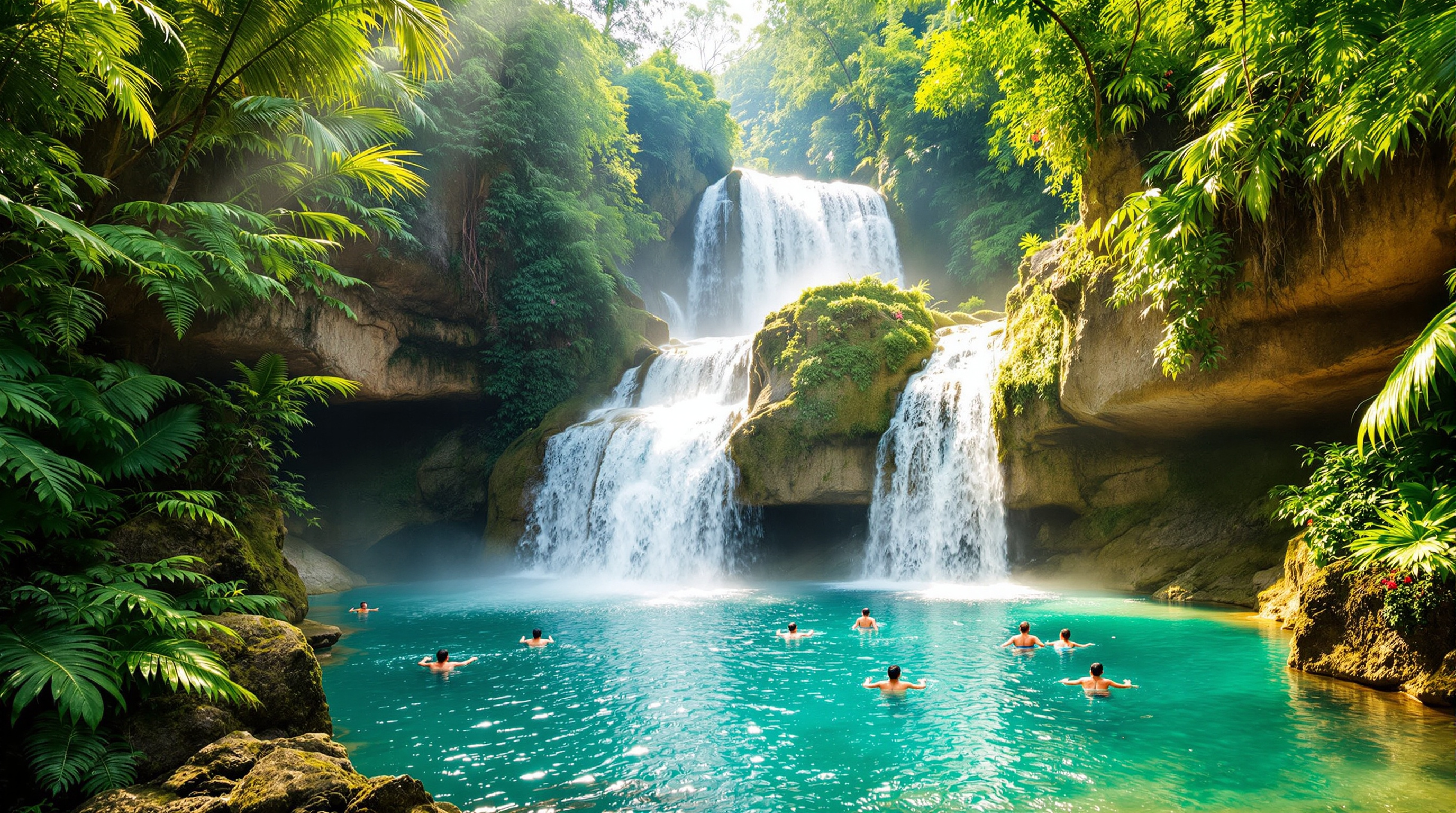
Beyond the city, Kuang Si Falls cascade through turquoise pools perfect for swimming. The Pak Ou Caves house thousands of Buddha images in limestone grottoes above the Mekong. Traditional villages maintain weaving, rice whiskey production, and other crafts. Cooking classes teach Lao cuisine's distinctive flavors.
Vientiane: A Capital Unlike Others
Laos' capital feels more like a provincial town than a modern Asian city—part of its charm. Tree-lined avenues recall French planning. The golden That Luang stupa symbolizes Lao independence and Buddhism. Patuxai monument mimics Paris's Arc de Triomphe with Lao decorative elements. The riverfront comes alive each evening as locals exercise, socialize, and watch sunset over the Mekong.
Vang Vieng and Natural Beauty
Once notorious for backpacker excess, Vang Vieng has reinvented itself around outdoor adventure and natural beauty. Dramatic limestone karsts surround the town, creating stunning scenery. Activities include tubing on the Nam Song River (now regulated and safe), rock climbing, caving, kayaking, and zip-lining. The area also offers cycling routes through rice paddies and villages.
The Plain of Jars and Northern Laos
The Xieng Khouang Plateau's Plain of Jars presents one of archaeology's mysteries. Thousands of large stone jars, some weighing several tons, scatter across the landscape. Their purpose remains debated—burial urns? Rice wine fermentation? The region also bears scars from intense bombing during the Vietnam War, with UXO (unexploded ordnance) still a serious issue requiring care.
Southern Laos and the Mekong
Southern Laos sees fewer visitors but offers rewarding experiences. The Bolaven Plateau's cool climate supports coffee plantations and waterfalls. Si Phan Don (Four Thousand Islands) presents ultimate relaxation where the Mekong spreads into a watery maze. Don Det and Don Khon islands offer simple bungalow accommodations and slow-paced riverside living. Spot rare Irrawaddy dolphins in the Mekong.
Lao Culture and Way of Life
The Lao expression "bor pen nyang" (no worries, never mind) captures the national temperament. Time moves slowly. Stress seems foreign. This laid-back approach creates relaxing travel but requires patience with bureaucracy and schedules. Buddhism guides daily life, and monks command deep respect. Family and community bonds remain strong.
Sticky rice serves as the staple food, eaten by hand from small woven baskets. Larb (spicy meat salad), tam mak hoong (papaya salad), and river fish prepared various ways showcase Lao flavors. According to UNESCO's intangible cultural heritage listings, Lao traditional practices maintain strong continuity despite modernization.
Responsible Travel in Laos
Laos ranks among Asia's poorest countries. Tourism dollars make real differences when spent thoughtfully. Choose family-run guesthouses and locally-owned restaurants. Buy directly from artisans. Respect local customs—dress modestly, remove shoes when entering homes and temples, avoid public displays of affection. UXO contamination in some areas requires staying on marked paths and never touching suspicious objects.
Travel Practicalities
Laos' infrastructure lags neighboring countries. Roads vary from decent to challenging. Domestic flights connect main centers. Slow boats on the Mekong offer scenic if time-consuming travel between Thailand and Luang Prabang. Accommodations range from backpacker basic to boutique luxury in major tourist areas. Credit cards see limited acceptance outside top hotels.
November through February offers cool, dry weather. March through May brings heat. The rainy season runs June through October, making some roads impassable but turning the countryside lush green. Our guides navigate logistics smoothly while maintaining the relaxed pace that makes Laos special.